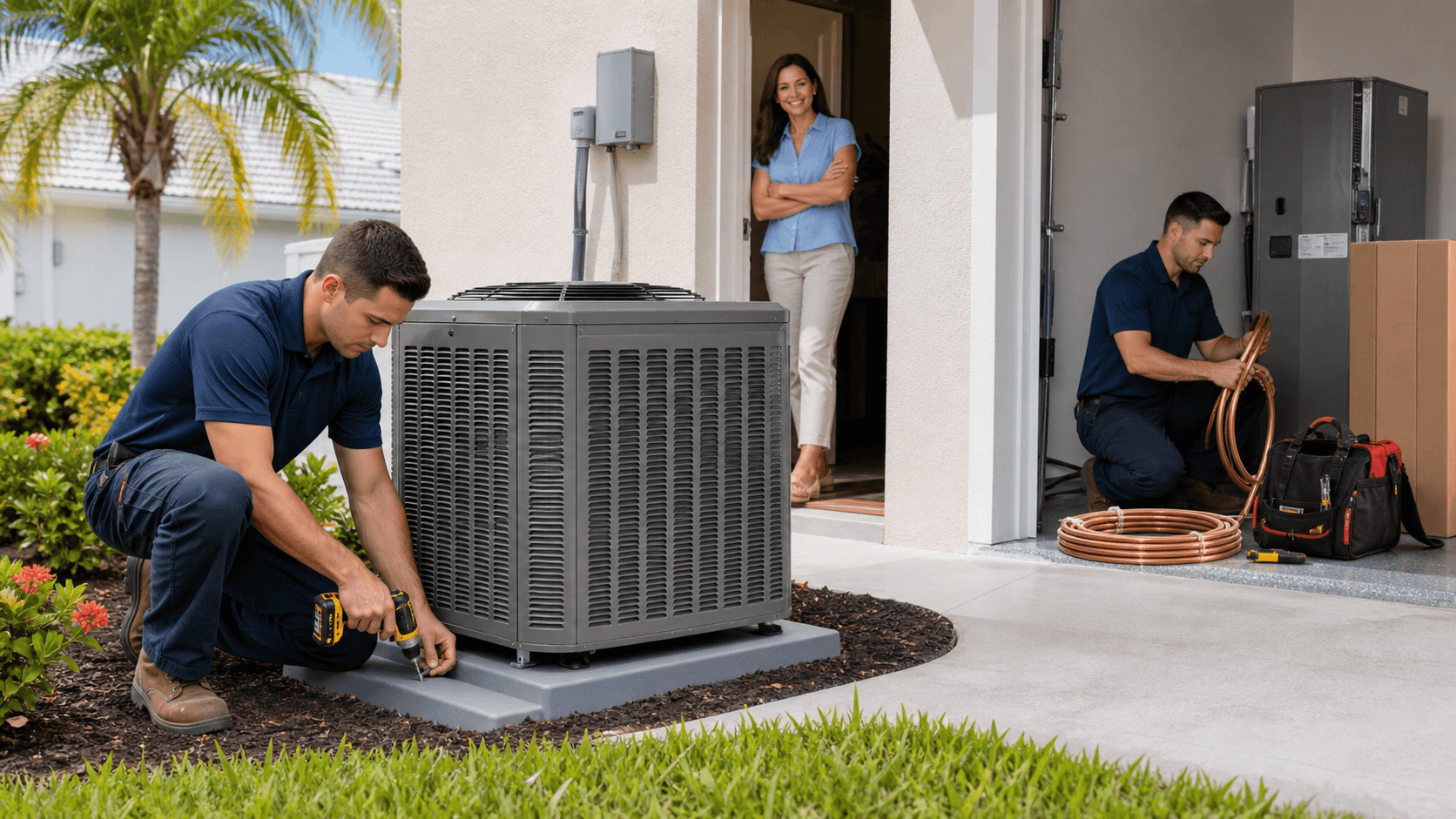
What Air Conditioning Installation in Cocoa Really Involves
Air conditioning installation in Cocoa is a lot more than swapping an old unit for a new one. Done right, it includes careful sizing, checking your ductwork, handling permits, and making sure everything meets local codes so your home stays cool and dry in our coastal humidity.
Because Cocoa stays warm and sticky for most of the year, a rushed install can leave you with high bills, muggy rooms, and constant repairs. A proper install is an investment in comfort, clean indoor air, and a system that lasts longer with fewer headaches. As a local, family-owned HVAC company, we work with Space Coast homes every day, so we see how much of a difference the right installation makes.
How Pros Assess Your Cocoa Home's Cooling Needs
Before anyone starts pulling out equipment, a good installer looks closely at your home and how you live in it.
First is the load calculation. This is not guesswork or just matching the size of your old unit. A proper load calculation looks at:
- Square footage and layout
- Insulation levels and attic conditions
- Window size, type, and sun exposure
- Number of people and pets in the home
- Extra spaces like sunrooms, enclosed patios, or home offices
If a system is too big, it cools the air fast but does not run long enough to pull out humidity. That leads to a cool but sticky house and more on-and-off cycling, which wears parts out faster. If the system is too small, it runs almost nonstop, struggles on hot afternoons, and still does not keep you comfortable.
Next comes the ductwork and airflow. Pros will:
- Inspect ducts for leaks, gaps, and damaged sections
- Check if duct runs are sized and routed well
- Look for air being lost into attics or crawlspaces
- Make sure each room has proper supply and return air
In Florida homes, it is common to see certain rooms that are always hot or have a musty smell. Many times, that comes back to poor airflow or leaky ducts instead of the AC unit itself.
Finally, the system should match your lifestyle. Some families are fine with a basic single-stage system. Others want the smoother comfort of two-stage or variable-speed equipment. We also look at:
- Allergies or asthma in the home
- Pets that shed a lot
- Concerns about salt air and indoor air quality
A local Cocoa expert keeps in mind that your AC works most of the year, from summer heat waves to those surprising hot spells in the fall.
What Actually Happens on Installation Day
On installation day, there is a lot going on behind the scenes to protect your home and your new system.
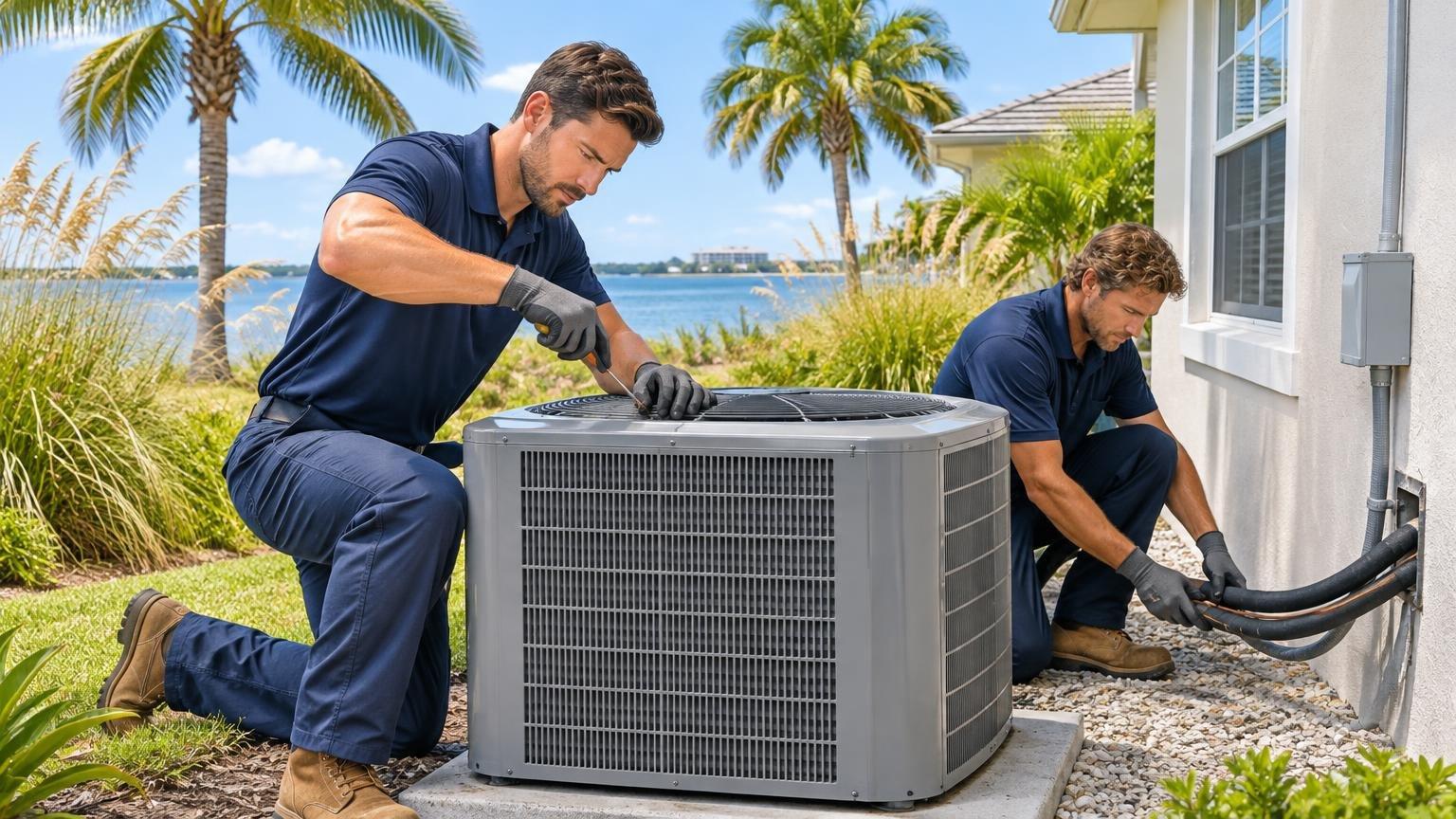
First is the safe removal of your old system. Technicians recover the refrigerant according to EPA rules so it does not get released into the air. They remove old equipment carefully, lay down protection for floors, and check the pad or platform for the outdoor unit. In our sandy, coastal soil, that pad may need cleaning, leveling, or replacement so the new system sits solid and level.
While the old equipment is out, pros watch for hidden issues like:
- Rusted or cracked drain pans
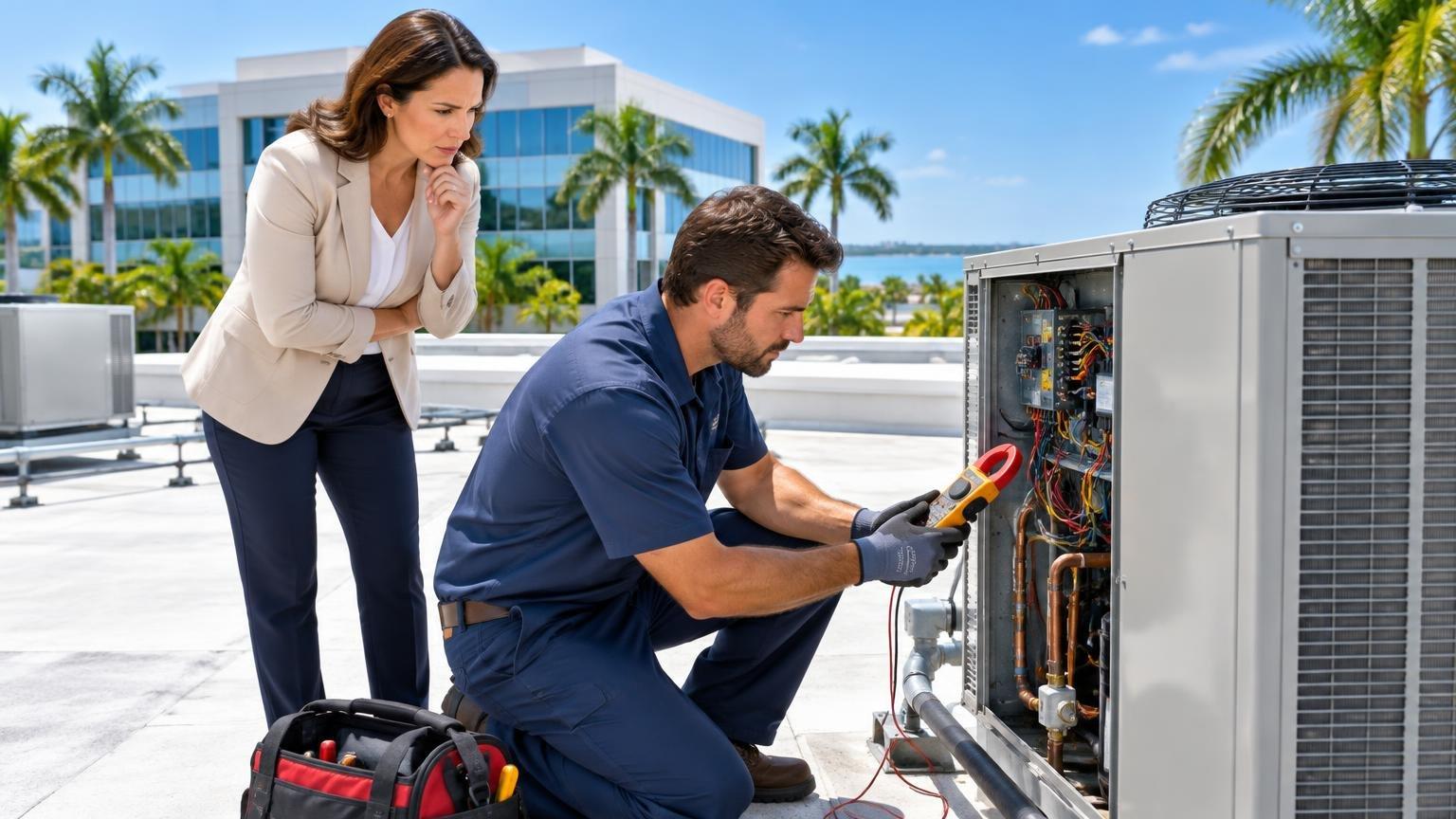
- Corroded wiring or loose electrical connections
- Signs of past leaks or mold around the air handler
Then comes the installation of the new air conditioner. The outdoor condenser is set on a level, secure base so it can handle daily use and stormy weather. Line sets are connected, the system is pulled into a deep vacuum to remove moisture and air, and then it is charged with the correct amount of refrigerant.
Electric work matters too. The right size breakers, disconnects, and wiring are needed to meet Cocoa and Brevard County code requirements and to keep your system running safely.
Inside, the team handles ductwork, drainage, and the thermostat. That includes:
- Installing or adjusting the condensate drain so water flows freely
- Helping prevent backups, water damage, and algae clogs in humid air
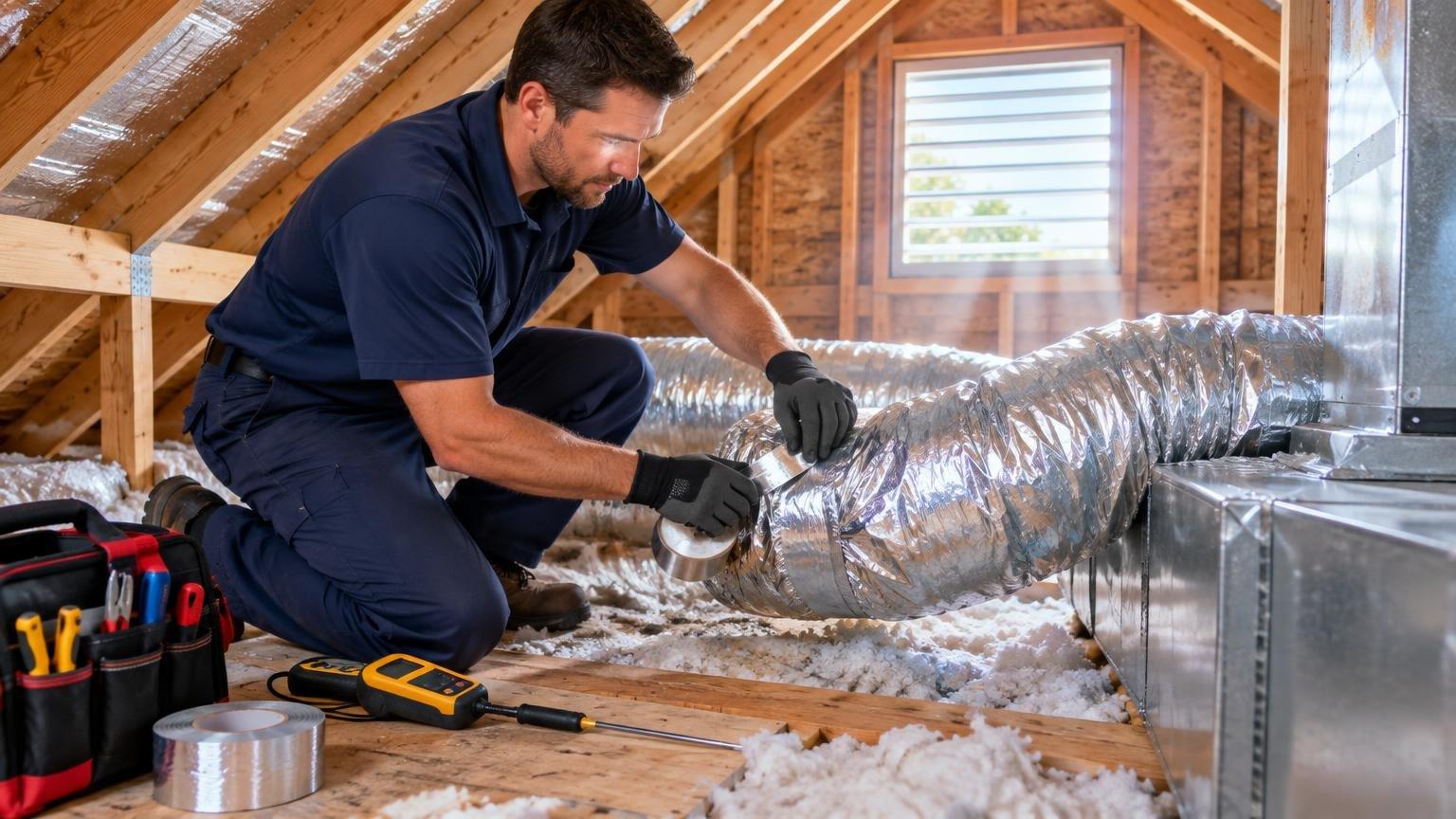
- Sealing duct connections at the air handler
- Checking static pressure so airflow is balanced
The thermostat is mounted and wired correctly, then set up so you know how to use it. This can be a standard digital thermostat or a smart model that you can control from your phone for better energy management.
Why Cocoa's Climate Makes Installation Different
Cooling in Cocoa is not just about dropping the temperature a few degrees. Humidity control is just as important. A properly sized system with the right run times removes moisture from the air so your home feels dry and comfortable, not cold and clammy.
When an install is rushed or sized wrong, indoor humidity can stay high. That can lead to:
- Mold and mildew growth
- Musty odors in closets and bathrooms
- Condensation on vents or windows
Our coastal location also affects the equipment itself. Salty air and blowing sand can speed up corrosion. Thoughtful installation takes into account:
- Using quality materials and fittings outdoors
- Placing the condenser where it has good airflow
- Keeping it away from heavy debris zones when possible
- Leaving clear access for maintenance and any 24/7 emergency service needs
Because our cooling season is so long, efficiency matters. Systems with higher SEER2 ratings can help keep monthly energy use lower. When an efficient unit is installed and maintained correctly, it has a better shot at handling long summers and those surprise hot weeks that pop up when you thought the worst heat was over.
We always keep Cocoa's climate in mind so we are not just dropping in a generic unit but recommending options that make sense for our area.
What It Really Costs to Install AC in Cocoa
The cost of air conditioning installation in Cocoa depends on a handful of key factors. Every home is different, but common pieces of the puzzle include:
- System size (tonnage)
- Brand and efficiency level
- Duct repairs, sealing, or layout changes
- Thermostat type, basic or smart
- Air quality add-ons like filters or UV lights
Older homes or homes with past DIY work may need electrical or duct updates to meet current codes. A proper quote should spell out permits, materials, labor, and the removal of the old equipment so you know what is included.
It can be tempting to chase the cheapest install. But shortcuts like poor sizing, skipped duct checks, or rushed wiring often show up later as:
- Higher utility bills
- Uneven cooling and humidity problems
- Frequent repairs and early system failure
Professional installation helps your system run the way the manufacturer designed it. Many warranties expect proof that a licensed pro installed the unit and that it is set up correctly.
Financing options and possible utility rebates on higher-efficiency equipment can help spread out the investment. It is always smart to ask for a clear written estimate that explains what will be done, when, and how.
How to Choose the Right Cocoa HVAC Installer
Picking the right installer is just as important as picking the right AC unit.
You want a company with:
- Proper Florida HVAC licensing and insurance
- Solid experience in Brevard County
- A good local reputation and long-term presence
Ask neighbors, read reviews, and look for a team that is known for honest same-day help, not just quick sales.
Before you sign anything, good questions include:
- How do you size systems for my home?
- Will you inspect and test my ductwork?
- Who will actually perform the install?
It also helps to ask about warranties, maintenance plans, and 24/7 emergency support so you are not left scrambling when something happens on a weekend or late at night. A clear written scope of work and timeline keeps everyone on the same page.
As a family-owned company serving Cocoa and the Space Coast, we focus on fast, straightforward service and long-term relationships. We handle AC installation, repairs, and maintenance so you can work with one trusted partner for the life of your system.
Get Started With Your Project Today
If you are ready for reliable comfort and better efficiency, our team is here to help you plan a seamless air conditioning installation in Cocoa that fits your home and budget. At Ray Brown Air and Heat, we will walk you through your options, answer your questions, and handle every detail from start to finish. Contact us today to schedule a consultation or request an estimate, or use our online form to contact us at a time that works for you.