Stop Wasting Energy in Your Cocoa Home's HVAC
If your AC runs almost nonstop, your home still feels sticky, and your power bill keeps creeping up, it might be time to look at HVAC system replacement in Cocoa. Late summer is when weak systems really show it, because the heat and humidity push them every single day. An aging air conditioner or heat pump often responds by short cycling, struggling with moisture, and using more energy than it should.
The good news is that a new system, sized correctly and matched to the right SEER2 efficiency rating, can bring your home back to cool, steady comfort. For coastal homes in Cocoa and across Brevard County, picking the right size and efficiency is not just about staying cool, it is about fighting humidity, salt air, and stormy weather. We will walk through what matters most so you can choose an HVAC replacement that fits your home, your comfort, and your long-term costs.
Why Coastal Cocoa Homes Need Proper HVAC Sizing
When we talk about a right-sized HVAC system, we mean a unit that fits your home like a good pair of shoes. Not too big, not too small. If the system is oversized, it blasts cold air fast, then shuts off. That short cycling can cause:
- Poor dehumidification, so the house feels clammy
- Bigger temperature swings and more hot and cold spots
- More wear on parts from turning on and off so much
If the system is too small, it runs and runs and still never feels like it is catching up. That can lead to:
- Higher energy use with less comfort
- Constant noise from a unit that never gets a break
- Faster wear because it is always working at full effort
Here in Cocoa, our coastal setting makes sizing even more important. We deal with:
- High humidity almost all year
- Salt air that eats at outdoor metal parts over time
- Strong storms that push wind, rain, and debris against equipment
All of that puts extra stress on a system that is already working hard to cool and dry the air. Guessing based on square footage alone is not enough. A professional load calculation, often called a Manual J, should factor in:
- Total square footage and ceiling heights
- Insulation levels in walls and attic
- Number, size, and direction of windows
- Shade from trees or lack of it on sunny sides
- How tight or leaky the home is
This kind of detailed look helps match the system to the house, not just the floor plan.
SEER2 Basics for Florida's Coastal Climate
SEER2 is the newer standard for measuring AC and heat pump efficiency. It is similar to the older SEER rating, but the testing is updated to better match real-world conditions, including how air moves through ducts. That gives a more realistic picture of how a system will perform in your Cocoa home.
Florida has minimum SEER2 requirements for new systems, so anything installed has to meet a basic efficiency level. But many coastal homeowners choose to go above the minimum for better comfort and lower long-term operating costs. Higher SEER2 systems can:
- Use less energy to deliver the same cooling
- Run more gently and quietly for longer periods
- Help with better humidity control in sticky weather
There is always a trade-off. Higher SEER2 usually means a higher upfront cost for equipment, while month-to-month energy costs are often lower. For a typical Cocoa single-family home that runs AC most of the year, even a step or two up in SEER2 can pay off over time. The best balance depends on how long you plan to stay in the home, how high your current bills are, and how much you value extra comfort features.
Choosing the Right Size and SEER2 for Your Cocoa Home
Sizing and SEER2 go hand in hand. A perfectly sized system with moderate to high SEER2 can easily outperform an oversized ultra-high-efficiency unit that never has time to properly dehumidify. In our coastal climate, that moisture control often matters just as much as raw cooling power.
Many homes in Cocoa fit into a few common groups. Here is a simple way to think about good, better, best options:
- Good: Standard efficiency, properly sized single-stage system, often fine for smaller condos or well-shaded one-story homes with decent insulation
- Better: Mid to higher SEER2 two-stage system that can run on a lower setting most of the time, great for average-size family homes
- Best: Higher SEER2 variable-speed system that can gently adjust output, ideal for larger or two-story homes with hot spots and tougher humidity issues
Homeowners often ask a few key questions when planning HVAC system replacement in Cocoa:
- Can I reuse my existing ductwork?
Many times ducts can be reused, but they should be checked carefully first. Leaky, undersized, or poorly insulated ducts can waste energy and reduce comfort. Sometimes small updates or sealing make a big difference; sometimes sections need replacement.
- Is a heat pump better than straight cool with electric heat here?
In our warm climate, a heat pump can be a strong choice because it cools in hot weather and can handle the milder cooler days without separate electric heat strips running all the time. The best option depends on how your home is set up now and how you use it.
- How does humidity control factor into my choice?
Systems with two-stage or variable-speed compressors, plus the right thermostat settings, usually do a better job at pulling out moisture. Correct sizing, longer run times at lower speeds, and good airflow are the keys to dry, comfortable indoor air.
Beating Cocoa's Heat, Humidity, and Salt Air Long-Term
Near the coast, the battle is not only against heat and humidity, but also against salt air. When you pick a new HVAC system, it is smart to look at features that help it stand up longer, such as:
- Corrosion-resistant outdoor coils and hardware
- Protective coatings on metal surfaces
- Outdoor units placed where they get good airflow and less direct salt spray
- Regular cleaning and maintenance to clear away salt and debris
Comfort features matter too. Variable-speed or two-stage systems, matched with a smart thermostat, can keep your home feeling more even during late-summer heat waves. They often:
- Run longer at lower speeds, which helps control humidity
- Reduce big temperature swings from room to room
- Cut down on loud on-off cycles that can get annoying
For indoor air quality, many coastal homeowners also consider:
- Better filtration to catch more fine particles and dust
- UV lights inside air handlers to help with coil cleanliness
- Whole-home dehumidifiers to support AC during extra sticky stretches
These add-ons work best when the base system is selected and sized correctly. The idea is to create a whole-home comfort setup, not just swap out a metal box in the yard.
How Ray Brown Air & Heat Makes Sizing and SEER2 Simple
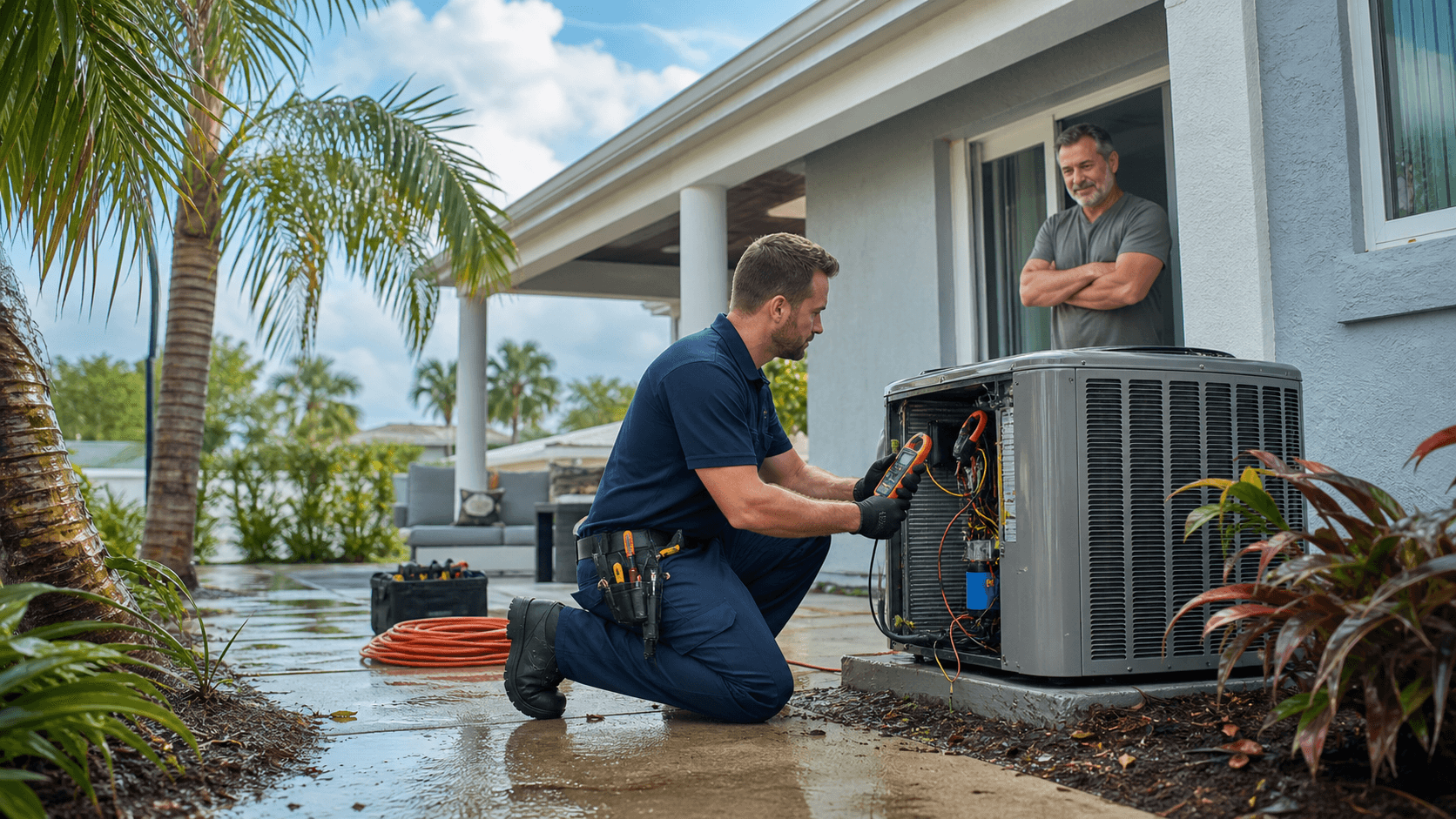
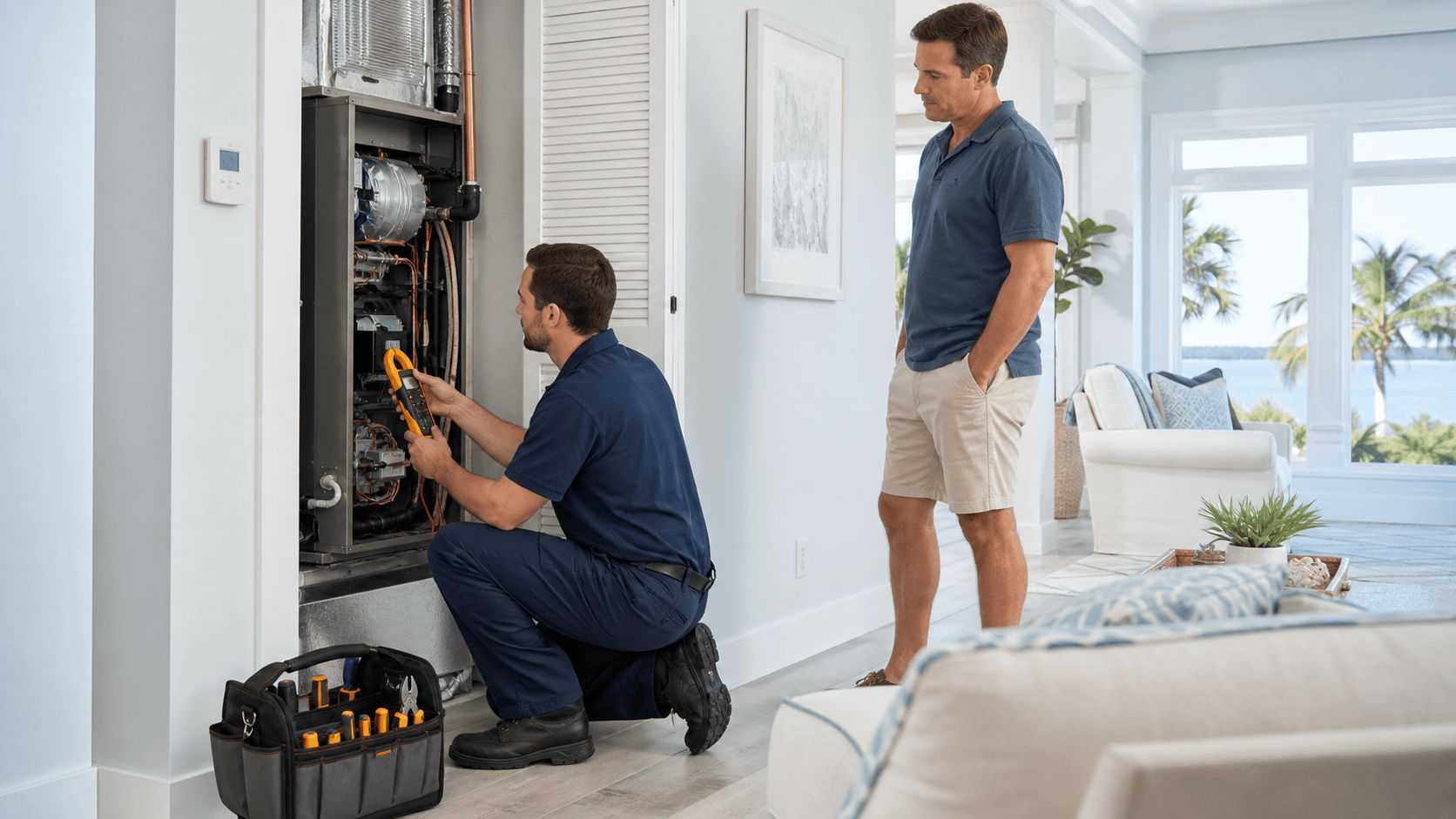
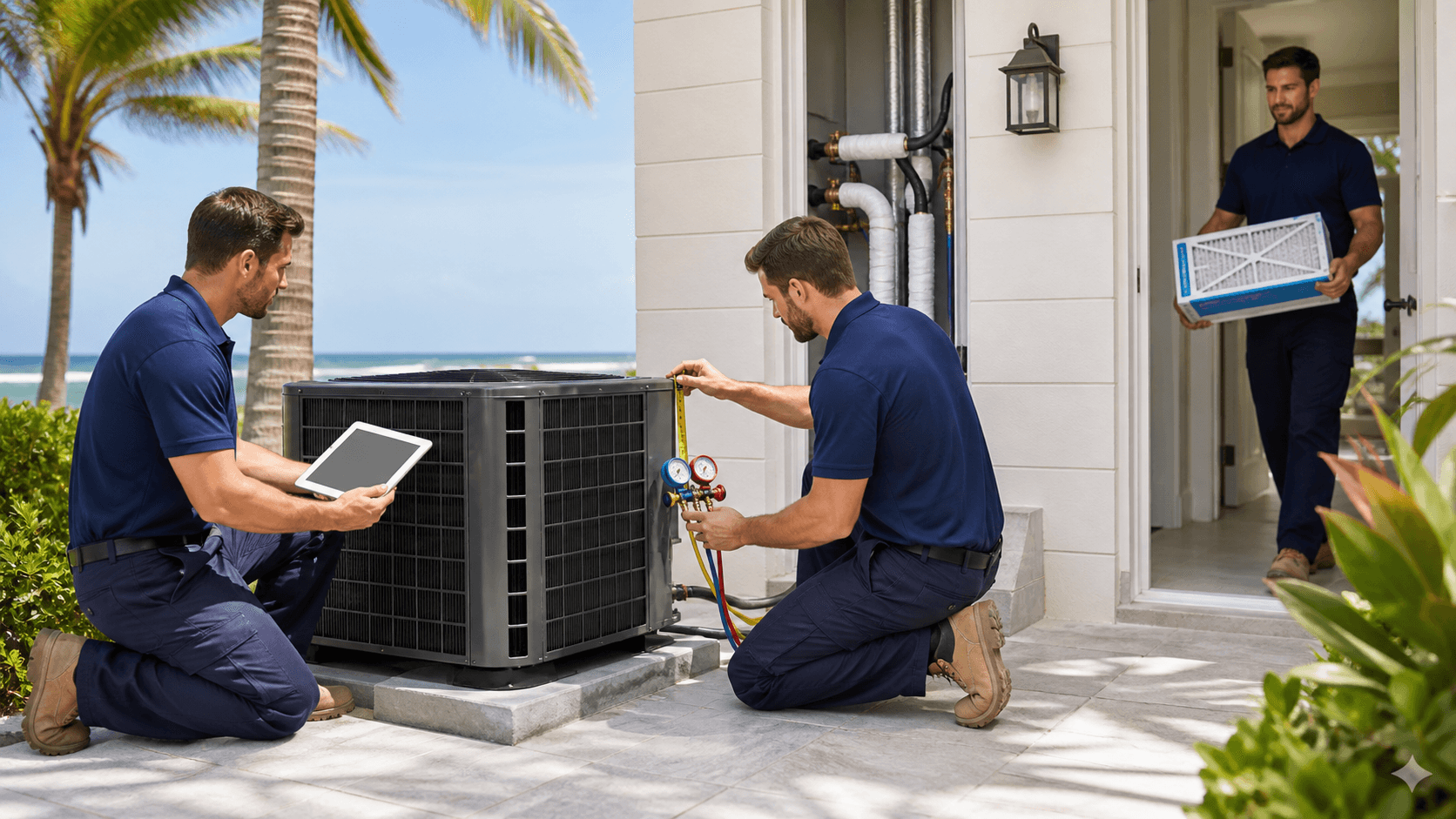
At Ray Brown Air & Heat, we live and work right here in Brevard County, so we know what Cocoa homes go through. When we help with HVAC system replacement in Cocoa, we start with an in-home evaluation. That usually includes:
- A Manual J-style load calculation for proper sizing
- A close look at existing ductwork, vents, and returns
- Questions about hot or cold rooms, humidity issues, and noise
- A review of recent energy bills to understand how the current system is doing
From there, we talk through options in plain language. Our goal is to match you with systems that fit different comfort levels and budgets, not to oversell features you will never use. We plan installations on a fast timeline when possible, because going without cooling in Cocoa is not fun for anyone.
We also discuss warranties and maintenance plans so your new coastal system can stay efficient and reliable through many long summers and storm seasons. Regular checks, cleaning, and tune-ups help protect your investment, keep SEER2 performance closer to what was promised, and catch small problems before they turn into mid-August breakdowns.
Get Started With Your Project Today
If your system is struggling to keep up, we can help you plan the right HVAC system replacement in Cocoa for your home and budget. At Ray Brown Air and Heat, we evaluate your current setup, explain your options clearly, and handle the installation with care. Reach out to contact us so we can schedule a convenient time to assess your needs and get your home comfortable again.