Stay Cool and Safe When Late-Summer Storms Hit Titusville
Late summer in Titusville does not feel like fall. The sun is strong, the humidity is thick, and thunderstorms keep rolling in, especially in the afternoons and evenings. When those storms line up over the Space Coast, the power can flicker or drop without much warning.
When that happens, your AC can suddenly shut down and your home heats up fast. Many families here know how fast it can go from comfortable to sticky and stressful, especially with kids, older family members, or pets in the house. Indoor heat and humidity are not just annoying, but they can be a real health concern.
We want to walk through how storms can knock out your AC, what signs to watch for, what you can do safely while you wait for help, and how emergency AC repair in Titusville can keep your home safer and more comfortable when late-summer weather turns rough. As a local family-owned HVAC team, we know Space Coast weather and the common problems storms cause for homes and small businesses in this area.
How Late-Summer Storms Knock Out Your AC System
Those dark clouds and loud rumbles do more than put on a light show. Storms can be hard on AC systems in a few different ways.
Power issues are the first big problem. When a storm moves through, you can get:
- Sudden power surges when electric lines take a hit
- Short power dips that cause your system to shut off and on again
- Full outages that last long enough to confuse or damage controls
These power swings can be tough on:
- Compressors, which are like the heart of your AC
- Control boards and relays that tell the system what to do
- Thermostats that may lose settings or stop responding
Wind and rain can also create trouble. Strong gusts can drive water into places it should not go or throw small debris into your outdoor unit. That can lead to:
- Electrical shorts if water gets into connections
- Bent fins or blocked airflow if leaves and branches get pulled in
- Physical damage if something heavy slams into the condenser
By the end of a long, hot summer, many systems are already tired. They have been running a lot, fighting high heat and humidity day after day. When you add a storm on top of that, weak parts are more likely to fail, and small issues can turn into full breakdowns.
Signs You Need Emergency AC Repair in Titusville Right Now
After a storm, it can be hard to know if you are dealing with a small hiccup or a serious problem. Some warning signs mean you should request emergency AC repair in Titusville right away.
Urgent red flags include:
- The AC will not turn on at all, even after the power is back
- The breaker for the AC keeps tripping when you try to restart it
- You smell burning or hot electrical odors from vents or near the unit
- You see smoke, sparks, or hear loud banging or grinding from the outdoor unit
Other signs point to partial failure or hidden damage:
- Air from the vents feels warm or just barely cool
- Airflow is weak in several rooms, not just one
- The system runs almost non-stop but the temperature does not drop
- The thermostat screen is blank, frozen, or will not respond to changes
Waiting to deal with these issues can make things worse. Inside temperatures climb quickly when the AC is down, and humidity rises too. That can:
- Make it harder for anyone with asthma or breathing problems
- Raise the risk of mold if the home stays damp for long
- Put stress on infants, seniors, and those who are already not feeling well
If the house is getting hot, the air feels sticky, and your system is acting strange after a storm, it is usually safer to treat it like an emergency and get a professional to check it.
What to Do Before the Technician Arrives
There are a few smart steps you can take to stay safe and a bit more comfortable while you wait for help.
For safety, focus on the basics:
- If you smell burning or see sparks, turn the system off at the thermostat or breaker
- Keep kids and pets away from the outdoor unit
- Stay clear of any standing water near electrical equipment
If everything seems stable and there are no scary smells or sounds, you can try a few simple checks:
- Look at your breaker panel to see if the AC breaker has tripped
- Make sure the thermostat has power, is set to cool, and is not in a special mode
- Check that supply vents are open and nothing is blocking them
- Take a quick look at the air filter, if it is easy to reach, to see if it is badly clogged
If something looks off and you are not sure what it means, stop there and wait for a trained technician. Pushing a failing system too hard can cause more damage.
To keep the house as cool as possible while you wait:
- Close blinds and curtains to block out the sun
- Avoid using the stove or oven so you do not add extra heat
- Run ceiling fans and portable fans to keep air moving
- If it is safe outside and the air feels cooler, crack windows during early morning or later evening hours
These steps will not replace your AC, but they can buy you a little comfort until help arrives.
How Ray Brown Air & Heat Handles Storm Emergencies
When storms roll through Titusville and the power acts up, we know people need fast, clear help. That is why we provide emergency AC repair in Titusville, with local technicians on call days, nights, and weekends. We live and work here, so we understand the neighborhoods, building styles, and how Space Coast storms usually affect HVAC systems.
A typical emergency visit usually includes:
- A quick talk with you to understand what happened before and after the storm
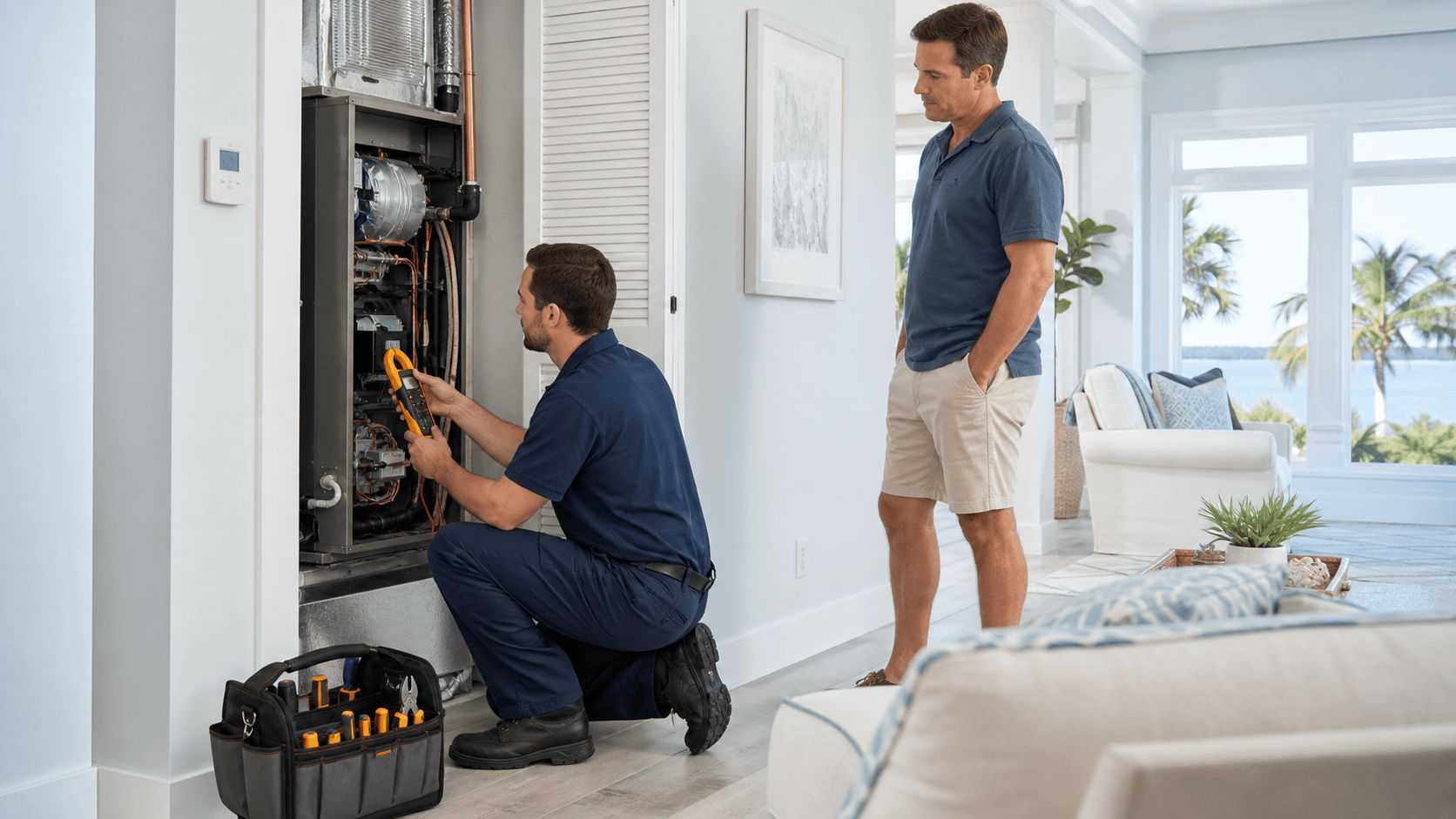
- A careful check of electrical parts, breakers, contactors, and control boards
- Tests to look for surge or lightning damage
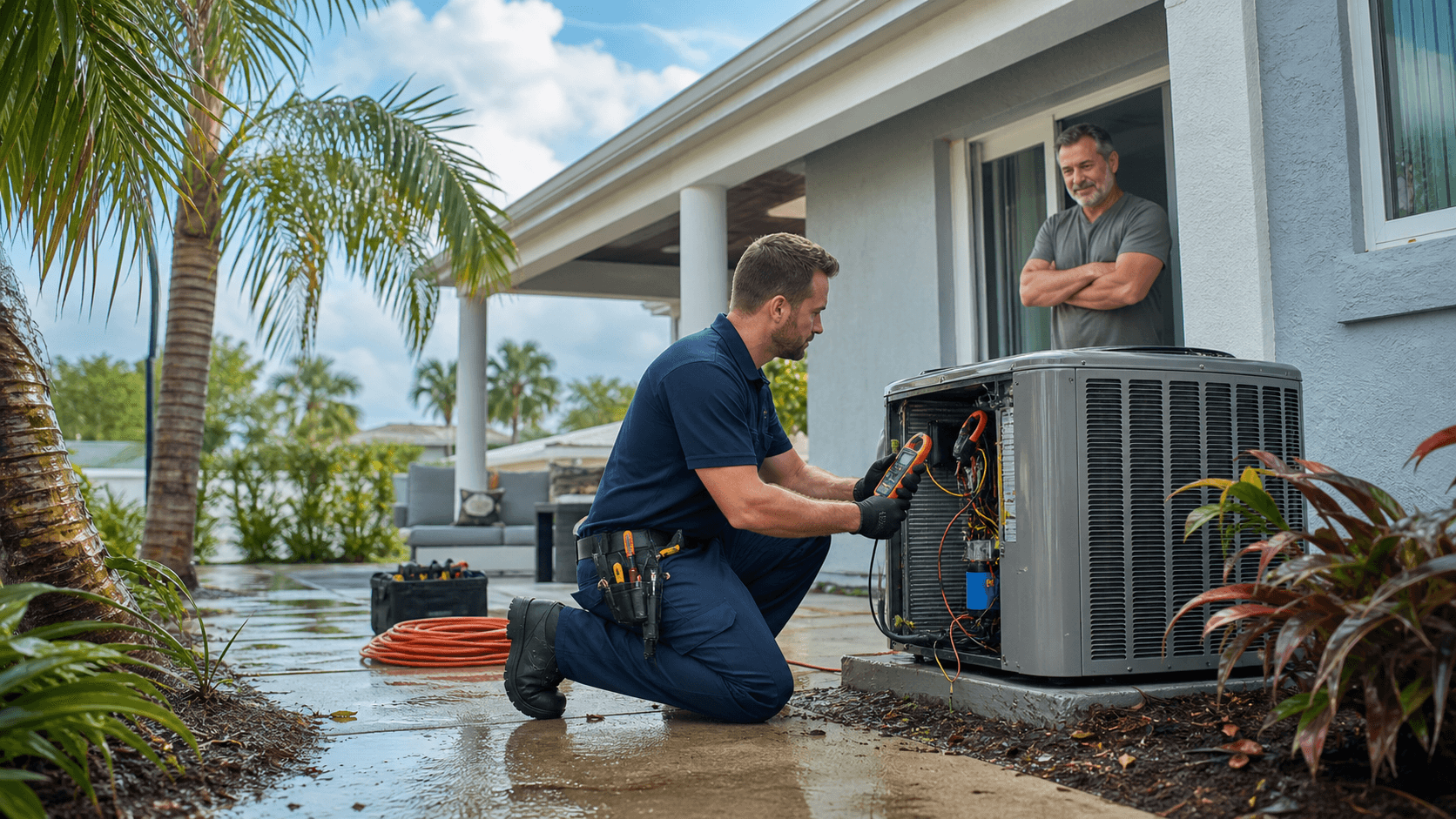
- A look at the outdoor unit for debris, bent fins, or water-related issues
- Inspection of refrigerant lines and drain lines for leaks or clogs
We work to explain what we find in simple terms, lay out your options, and help you decide whether a repair or a longer-term plan makes more sense. As a family-owned company, we focus on long relationships, not quick fixes that do not last. Regular maintenance, once the emergency is handled, can help cut down the chance of another storm taking your AC out at the worst time.
Storm-Proof Your Comfort Before the Next Outage
You cannot stop late-summer storms, but you can get your AC system ready for them. A little planning goes a long way when the heat and humidity are high and the sky turns dark over the river.
Helpful steps to get ahead of the next storm include:
- Booking a tune-up before or after the most active part of storm season
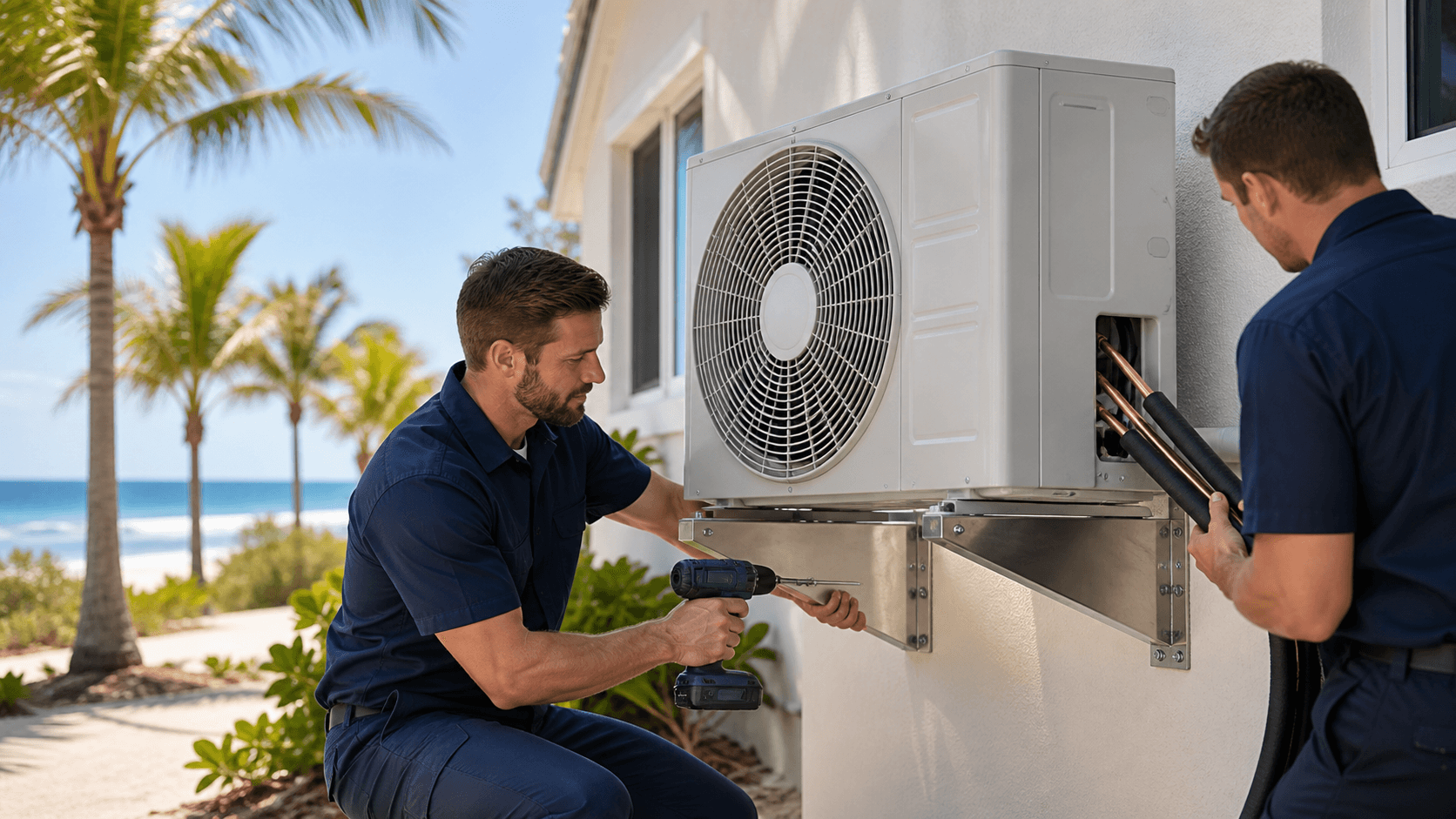
- Having the outdoor unit checked for loose panels, damaged insulation, or blocked airflow
- Asking about surge protection options for your HVAC system
- Making sure drainage around the unit is clear so water does not pool
It also helps to have a simple cooling backup plan. Think about:
- Where you keep portable fans and which rooms they should go in first
- Whether you have a small portable AC unit for a key bedroom or living space
- A written checklist of what to turn off, what to check, and who to call if the AC fails after a storm
Late-summer and early fall storms are part of life in Titusville, but sitting in a hot, sticky house for hours does not have to be. With some smart prep, clear safety steps, and fast help when you need emergency AC repair in Titusville, you can keep your home more comfortable and better protected through the rest of storm season and beyond.
Restore Your Home's Comfort With Fast, Reliable AC Service
When your cooling stops working unexpectedly, you should not have to wait for help. At Ray Brown Air and Heat, we provide prompt emergency AC repair in Titusville so your home can get back to a safe, comfortable temperature quickly. If you are dealing with an urgent AC problem right now, reach out and we will walk you through the next steps and schedule fast service. For questions or to request an appointment, simply contact us today.