Stop Sweating Repairs: Know When Your Heat Pump Needs Help
Heat pumps in Cocoa do a lot of work, even in late September. The days are still hot, the air is heavy, and the moisture from hurricane season hangs around. Your system is trying to keep your home cool, dry, and comfortable while fighting humid coastal air every single day.
When you catch heat pump problems early, you avoid those sudden breakdowns that always seem to hit at the worst time, like a late-season heat wave or the first cooler evening when you finally give the AC a rest. Small warning signs can show up long before the system quits. If you know what to watch for, you can act before a minor issue turns into a costly repair or a full replacement.
Here on the Space Coast, the coastal climate creates its own set of problems for HVAC equipment. Salt air, storms, sand, and sticky humidity all speed up wear and tear. We want to walk through what that looks like, how to spot early warning signs, and when it is time to bring in a professional for heat pump repair in Cocoa.
How Cocoa's Coastal Climate Wears Down Heat Pumps
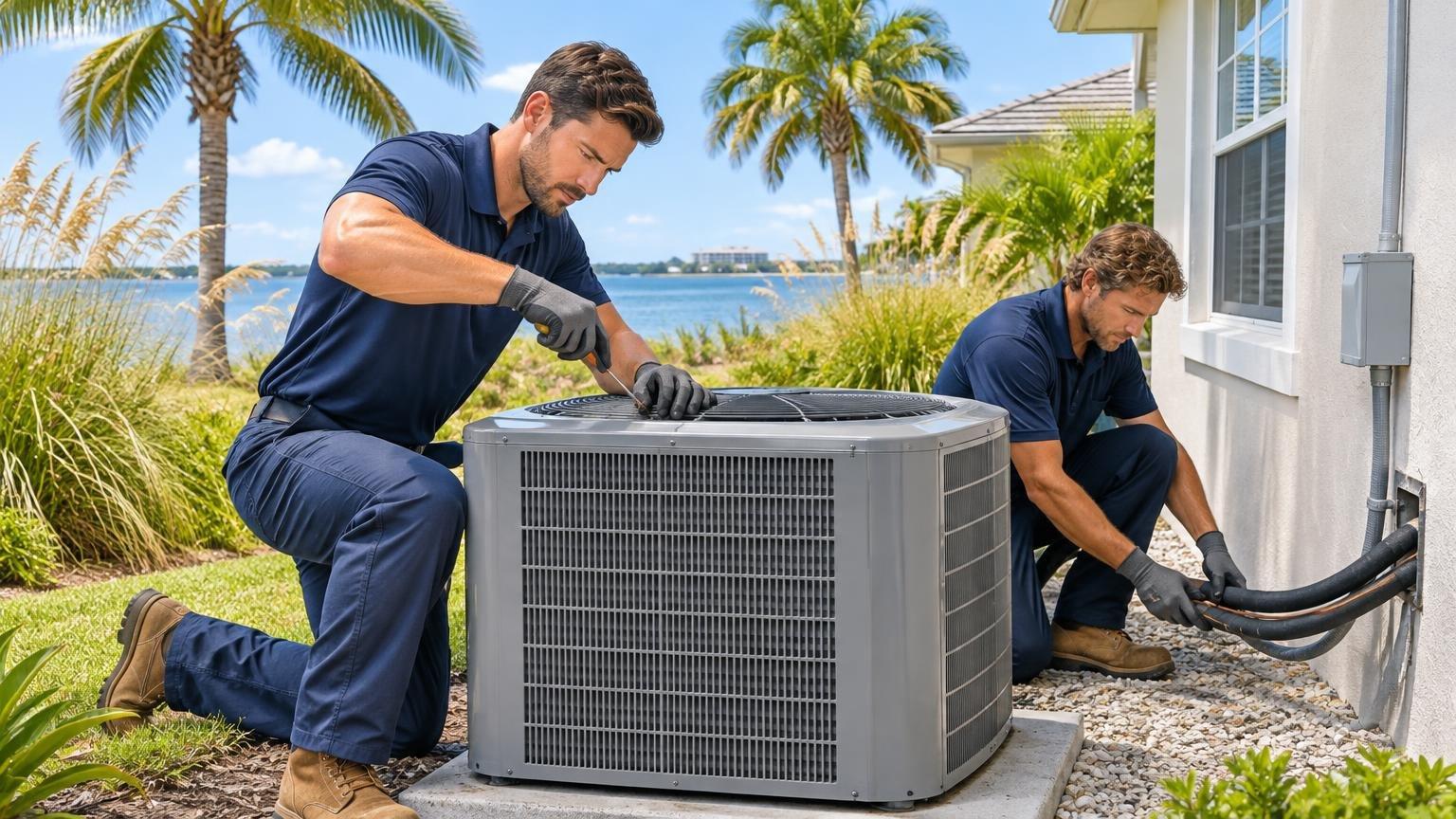
Life near the water is great for people, but it is tough on HVAC equipment. Your heat pump sits outside in salty, damp air all day and night. That environment slowly eats away at parts that should last much longer in a drier place.
Salt air and humidity lead to:
- Rust and corrosion on metal parts
- Sticky or failing electrical contacts
- Outdoor coils that lose their protective coating over time
When coils and connections start to corrode, your heat pump has to work harder to keep the same comfort level. That means longer run times and more stress on the compressor and fan motors.
High humidity is another big factor. Your heat pump does more than cool the air; it also pulls moisture out of your home. In our climate, that dehumidification work never really stops. Constant humidity can:
- Overload the condensate drain line, causing clogs or backups
- Create damp spots around the air handler
- Encourage mold or mildew growth on or near the unit
Then there are storms, sand, and yard debris. Afternoon thunderstorms, tropical systems, and strong breezes can blow leaves, grass clippings, palm fronds, and even fine sand into the outdoor unit. That can:
- Clog or coat the outdoor coil
- Chip or bend fan blades
- Shake loose electrical connections
Over time, all of this shortens equipment life and leads to more frequent heat pump repair in Cocoa if issues are not handled early.
Early Warning Signs Your Heat Pump Needs Professional Attention
Your heat pump will usually whisper for help before it screams. If you know what to listen and look for, you can act quickly and avoid bigger problems.
Watch for weak airflow and uneven temperatures. If some rooms will not cool down while others feel fine, or the air coming from your vents feels weak, you may have:
- A blower motor starting to fail
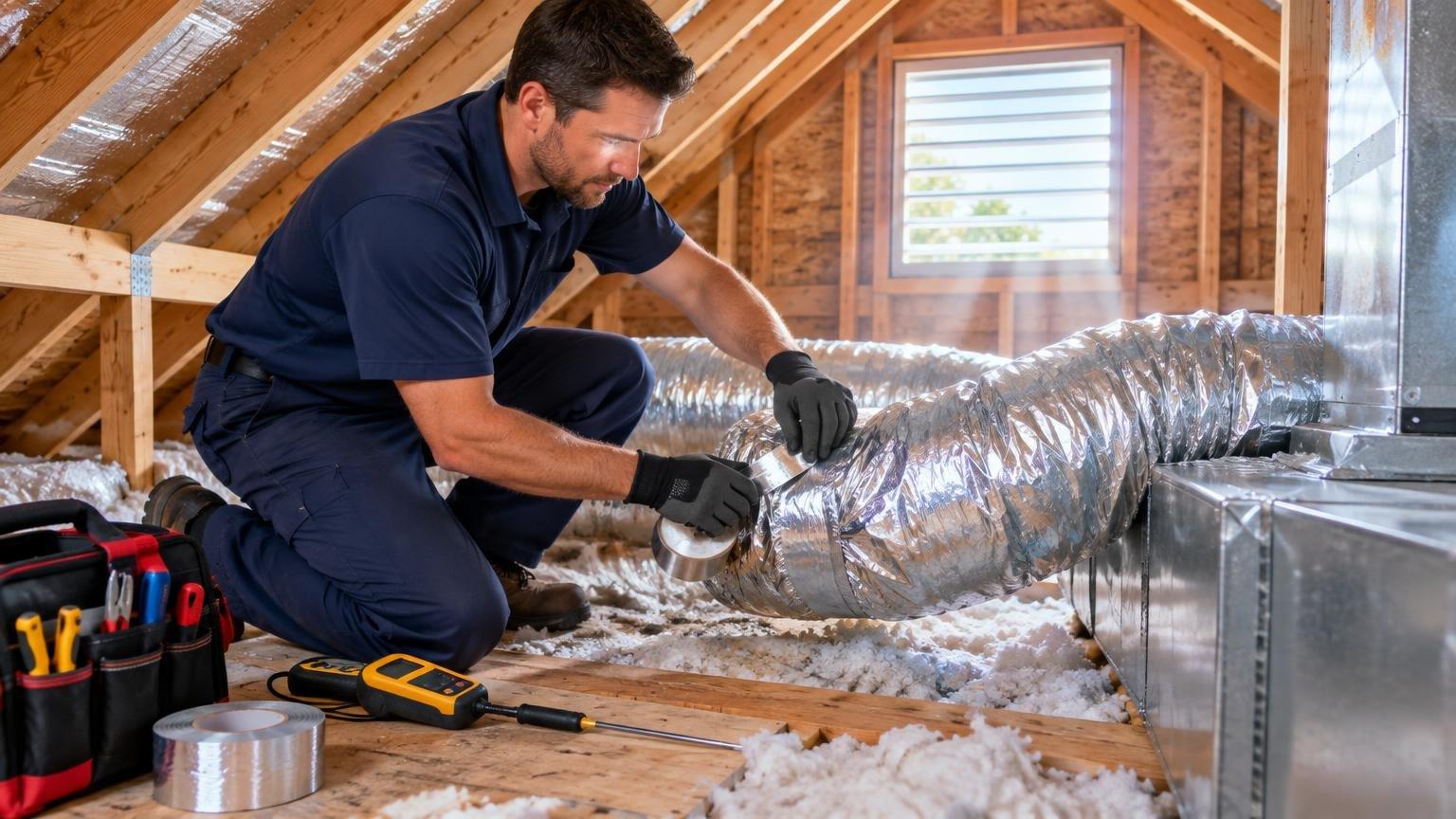
- Duct leaks that lose cooled air into the attic or walls
- A clogged filter or dirty coil choking airflow
Unusual noises and odors are also red flags. Heat pumps are not silent, but you get used to their normal sounds. New or louder noises often signal trouble:
- Grinding or scraping sounds can mean motor or fan issues
- Rattling may point to loose panels or parts
- Buzzing or humming can be an electrical problem
- Hissing may suggest a refrigerant leak
Odors matter too. A musty smell around vents or the air handler can hint at microbial growth. A sharp or burning smell can mean wiring problems or overheating components. Those should never be ignored.
Rising energy bills and short cycling are another clue. If your utility bill jumps without a change in weather or thermostat settings, or if your heat pump:
- Turns on and off quickly over and over
- Runs almost nonstop and still cannot keep up
you could be dealing with low refrigerant, a failing thermostat, airflow problems, or equipment that is under stress and needs professional attention.
DIY Checks You Can Safely Do Before Calling a Pro
There are a few simple, safe things you can look at before you call for service. These checks will not fix deeper problems, but they can rule out basic issues.
Start with simple visual inspections:
- Make sure the thermostat is set to the right mode and temperature
- Check that breakers related to the air handler and outdoor unit are not tripped
- Look at your supply vents and returns to be sure they are open and not blocked by furniture, rugs, or curtains
- Step outside and see if plants, fences, or debris are crowding the outdoor unit
You can also check the filter and drain area. A dirty filter can cause a lot of trouble all by itself. It can reduce airflow, hurt comfort, and strain your system. You can:
- Replace or clean your air filter as recommended by the manufacturer
- Look around the indoor unit for signs of water, drips, or wet spots
- Take a quick look at the condensate drain area for visible clogs or algae buildup
There is a clear point where you should stop troubleshooting on your own. Shut the system off and call for heat pump repair in Cocoa right away if you see:
- Ice on the indoor or outdoor unit
- Sparks or frequent breaker trips
- Loud banging, screeching, or metal-on-metal sounds
- Strong burning smells or smoke
At that point, running the system can cause more damage or become unsafe.
Why Professional Diagnostics Matter for Coastal Heat Pumps
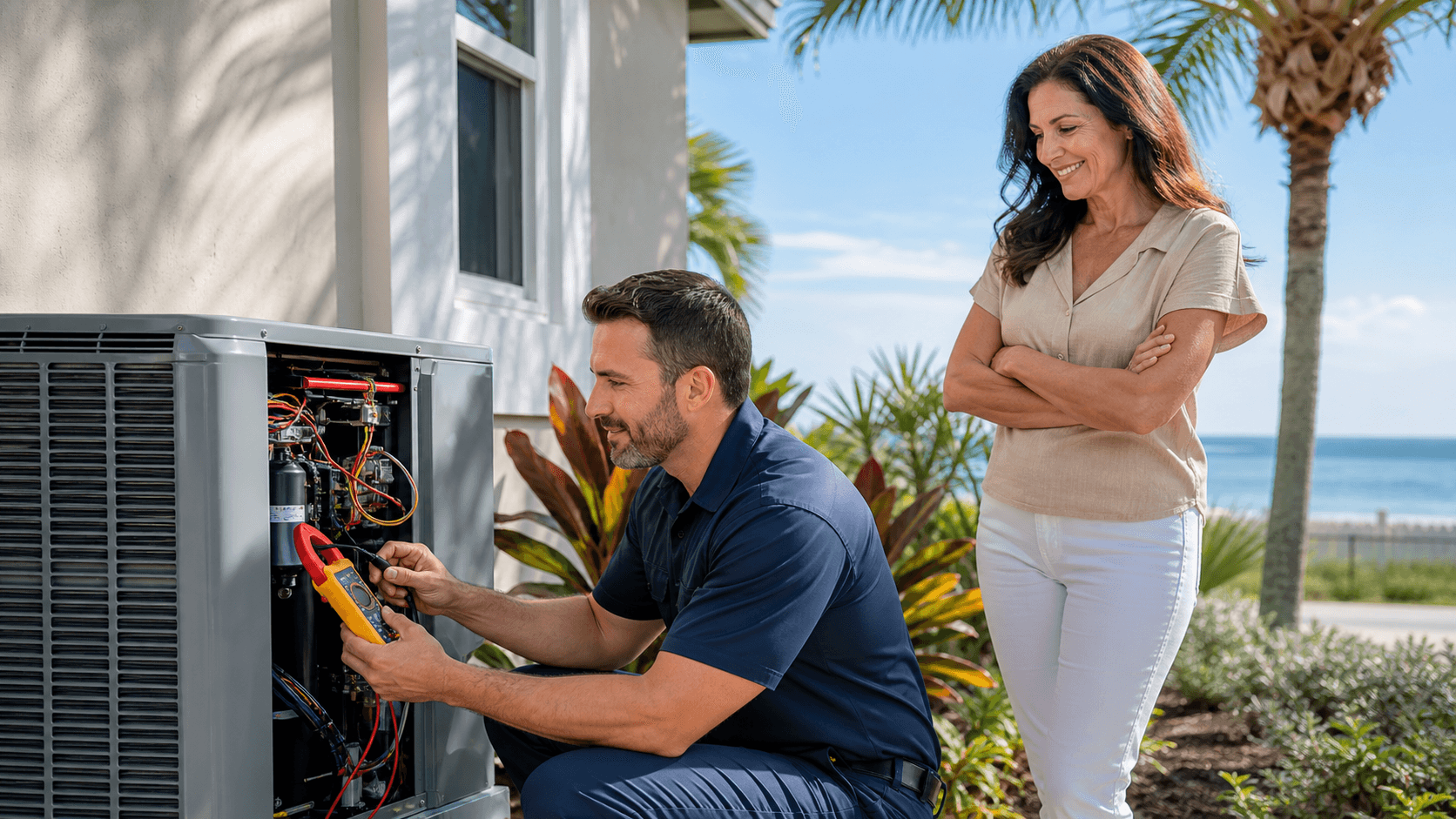
Heat pumps in a coastal climate need more than a quick visual check. Many problems hide inside the system where only proper tools and training can find them.
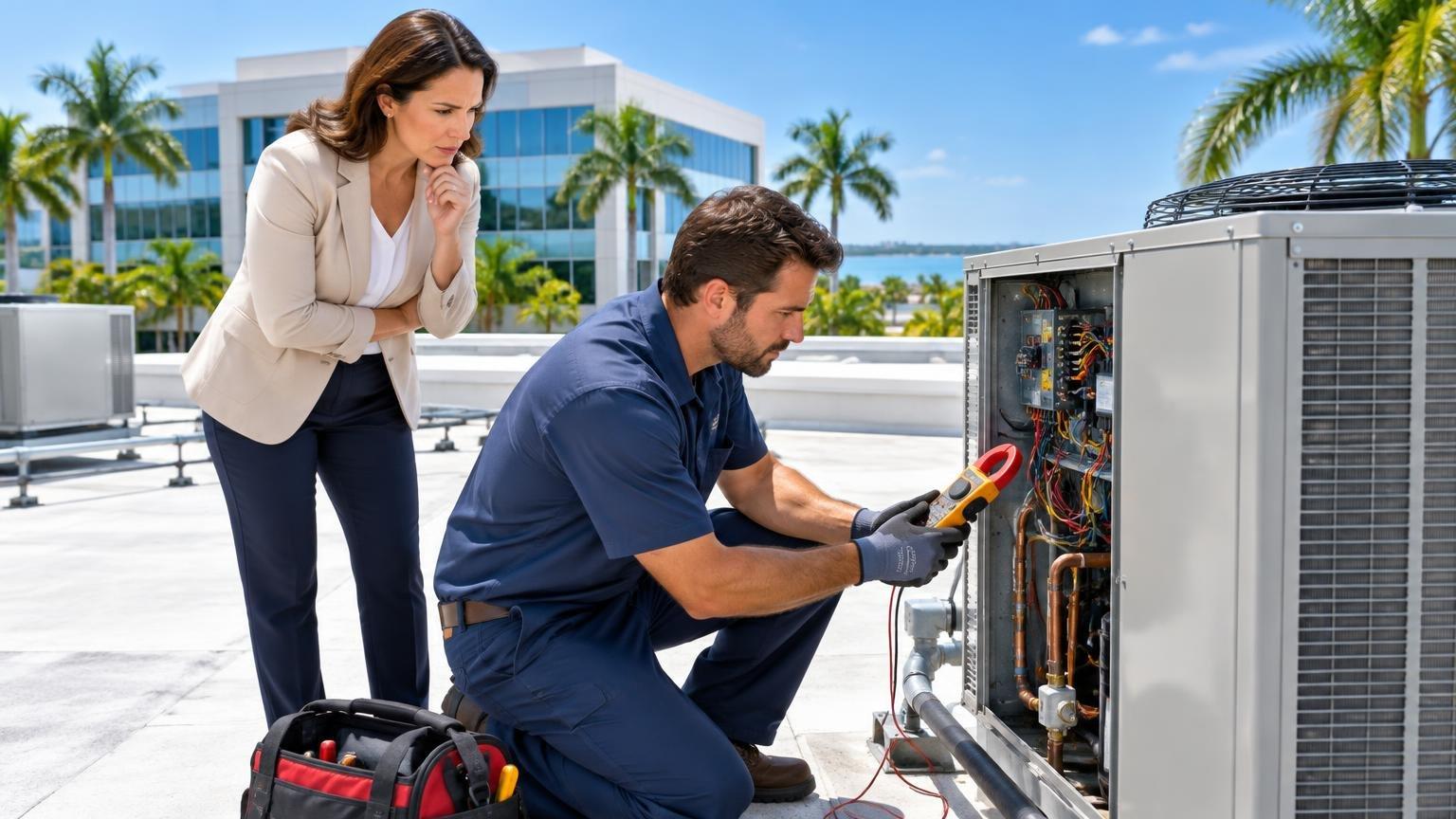
Trained technicians use:
- Refrigerant gauges to measure pressures and levels correctly
- Electrical meters to test wiring, capacitors, and contactors
- Temperature tools to see how well the system is heating or cooling the air
This kind of testing helps pinpoint the real cause of a problem, not just the symptom. That is especially important when salt, humidity, and storms all play a part.
Professional care also helps protect efficiency and warranty coverage. Correct refrigerant levels, clean coils, and tight electrical connections help your system:
- Cool and dehumidify faster
- Run shorter cycles
- Use less energy overall
If work is done the wrong way, it can hurt performance and may affect manufacturer warranties. That is another reason to let trained HVAC pros handle repairs and adjustments.
Homes in Brevard County have their own patterns. Many are built on slabs, many have air handlers in garages or closets, and lots of homes have outdoor units close to the coast. An experienced local team understands common failure points in this area and can recommend repairs, upgrades, or maintenance plans that actually match how we live and work here.
Stay Comfortable Year-Round with a Local Heat Pump Partner
Heat pumps in Cocoa do not really get a break. Even when the calendar says fall, we still deal with heat, sun, and humidity. Routine coastal maintenance is one of the best ways to keep your system ready for whatever the weather decides to do next.
Regular tune-ups before high-use periods give technicians a chance to clean coils, check electrical parts, clear drains, and catch worn components before they fail. That means fewer surprise breakdowns, better indoor comfort, and a system that can handle long cooling seasons without constant stress.
A trusted local partner that offers 24/7 service and same-day support can also give you peace of mind. When your heat pump stops on a sticky evening or during a busy holiday weekend, you know help is available. At Ray Brown Air and Heat, we live and work here on the Space Coast too, and we understand how hard this climate can be on your equipment.
With the right mix of smart home checks, timely professional diagnostics, and regular maintenance, your heat pump can keep you comfortable across all the changing seasons of school schedules, holidays, and everyday life in Brevard County.
Restore Comfort With Fast, Reliable Heat Pump Service
If your system is struggling to keep up, we can provide prompt, professional heat pump repair in Cocoa to get your home comfortable again. At Ray Brown Air and Heat, we thoroughly inspect your equipment, explain your options clearly, and only recommend the repairs you truly need. Reach out today to schedule a visit or ask a question, or use our contact form to connect with our team.